1 – Q: Shellac is an old-fashioned, outdated finish.
A: No, Shellac is all natural, organic, child safe. Shellac has more modern features
and ‘green’ benefits than any other wood finish in the world.
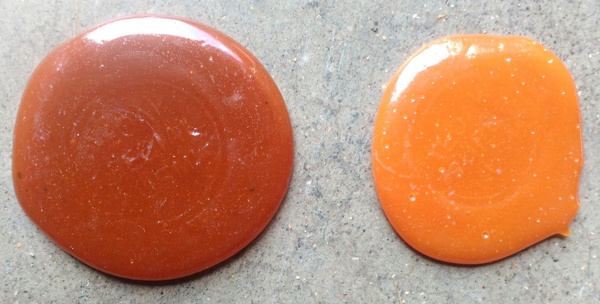
2 – Q: Shellac turns ugly and dark as it ages.
A: Shellac is naturally UV-resistant and does not yellow or darken with age.
The dark shellac seen in older homes is a less-refined version that was naturally dark,
or was tinted by finishers when dark wood colors were popular in the early 20th century.
3 – Q: Is shellac made from bugs or bug droppings?
A: No, Shellac is a resin secreted from the tree sap by the lac insect to form a cocoon,
much like a silk worm. It takes about 100,000 lac bugs to make 1 lb. of shellac resin.
4 – Q: Does a shellac finish turn white when water touches it?
A: A properly applied shellac finish is remarkably water-resistant and, in most cases, will stay clear after hours of exposure to water, making it a great finish for most interior surfaces, including woodwork, trim, doors, cabinets, paneling, furniture, and for floors, Button Shellac (yes, floors!)
5 – Q: Is Shellac brittle or easily scratched?
A: Shellac is a tough, durable finish that is less brittle than lacquer and is not easily scratched. The process of making Button shellac yields a tougher resin. Unlike polyurethanes, a damaged shellac finish can be easily touched up or renewed
by brushing on another thin coat.
6 – Q: Is Shellac compatible with other finishes?
A: Shellac will adhere tenaciously when applied over almost any other type of clean,
wax free, and oil free finish.
(To assure a clean surface, especially on older grimy surfaces, use a wood cleaner like
Mohawk Wax Wash, to avoid possible stains or damage from water based cleaners.)
To seal wood before applying polyurethane or other finishes,
Bulls Eye® SealCoat™ is a shellac-based universal sanding sealer that is 100% wax-free.
For refurbishing a worn finish, a SealCoat makes an excellent transitional coating or bonding coat between an unknown coating and a new topcoat.
Note: (Regular shellac may not be compatible as a sealer under certain polyurethanes, as they contain small amounts of natural wax.)
7 – Q: Can I make a Shellac SealCoat?
A: Yes a ‘SealCoat’ is a DEWAXED Shellac Resin dissolved in
Mohawk Shellac Reducer / Behkol or a 190 Proof Denatured Alcohol.
With a wide color variety of Dewaxed Shellac Flakes, you can make your own
universal sanding sealer in a range of light to deep tones to match your project.